































What a Royal Casino Is
A royal casino is a prestigious gambling institution that has historically served the aristocracy and upper social classes. These casinos stand out markedly from regular gaming halls in several fundamental ways.
The main features of a royal casino include unmatched architectural elegance, with interiors decorated by renowned artists and exquisite materials such as marble, crystal, and noble metals. Access is traditionally exclusive, reserved for privileged clientele able to meet high standards in terms of both dress code and behaviour.
The services offered go well beyond gaming: gourmet restaurants with star chefs, luxury suites, exclusive spas, and high-level entertainment. The guiding philosophy of these establishments is to create a total experience, where every detail contributes to an atmosphere of refined opulence.
Today, the concept of the royal casino has evolved to include premium online platforms that endeavour to digitally replicate the exclusivity and elegance of their physical counterparts, offering personalised VIP services and the highest quality games.
History and Origins of Royal Casinos
The roots of royal casinos trace back to ancient Rome, during the reign of Tarquinius Priscus, where aristocrats and patricians engaged in dice games and betting in exclusive settings. However, the real evolution towards modern royal casinos began in the European Renaissance.
The Ridotto of Venice, founded in 1638 by the Great Council, represents the first documented modern European casino. Created to provide controlled gambling during the Venice Carnival, access was strictly limited to aristocrats, making the venue particularly profitable and prestigious.
In France, the expansion of royal casinos received a decisive boost in 1765 when the first casino opened by order of Cardinal Mazarin with the strategic goal of "replenishing the royal coffers." This model of crown-sponsored casinos quickly spread throughout Europe.
The 18th and 19th centuries marked the golden age of royal casinos. European courts competed to create the most sumptuous gaming halls, transforming gambling from an aristocratic pastime into a true cultural institution. This period saw the birth of many of the most legendary casinos, which still retain their charm and reputation for exclusivity today.
The evolution of royal casinos reflects social changes: from places reserved solely for nobility, they gradually opened up to a broader but still selective clientele, while maintaining their standards of luxury and sophistication intact.
The Most Famous Royal Casinos in the World
Monte-Carlo Casino: The Symbol of Elegance
The history of the Monte-Carlo Casino is intrinsically linked to the transformation of the Principality of Monaco from a small state in financial straits to a glamorous global destination. In the second half of the nineteenth century, following the Austro-Italo-French war of 1859, businessman Maurice Blanc saw a unique opportunity.
In 1863, François Blanc obtained an exclusive gambling concession in Monaco, building what became known as the "temple of roulette" designed by architect Jean Louis Garnier. The building, with its breathtaking Belle Époque architecture, quickly became the symbol of European elegance.
Monte Carlo transformed into the most important casino destination in the world before the First World War, attracting crowned heads, industrialists, and artists from all over Europe. Its single zero roulette became the benchmark standard for all luxury casinos.
Baden-Baden Casino: German Tradition
The Baden-Baden casino represents the essence of German tradition in luxury gambling. In 1843, the French brothers François and Louis Blanc opened the Kursaal casino in the picturesque spa town of Bad Homburg, introducing a revolutionary roulette wheel with a single zero.
This innovation not only improved the odds for players but also became the trademark of German excellence in the industry. Baden-Baden attracted the European elite thanks to the unique combination of healing thermal waters and refined gambling, creating a model that influenced the development of many other spa casinos in Europe.
Venice Casino: Italian Charm
Venice boasts a gambling tradition dating back to the Ridotto of 1638, considered the first true European casino. This historical legacy has been perpetuated through centuries, keeping alive the Italian art of exclusive hospitality.
The Casino of Campione d'Italia, opened in 1905, quickly became famous for its unique location on Lake Lugano and for the intimate atmosphere contrasting with the grandeur of Monte Carlo. Subsequently, the Saint Vincent Casino, founded in 1921 in the Aosta Valley Alps, added a mountain touch to the Italian offering, combining gaming charm with the beauty of the mountains.
Today, Venice hosts the Venice Casino in two historic locations: Ca' Vendramin Calergi on the Grand Canal and Ca' Noghera on the mainland, keeping alive a centuries-old tradition of Italian elegance and sophistication.
Distinctive Features of Royal Casinos
Architecture and Design
The architecture of royal casinos represents a true artistic manifesto of luxury and opulence. Every element is designed to impress and create an atmosphere of grandeur that elevates the gaming experience to higher levels.
The interiors are characterised by frescoed ceilings, Murano crystal chandeliers, precious marble floors, and period furnishings. The gaming rooms are designed according to advanced acoustic principles to ensure the right atmosphere, neither too quiet nor too noisy.
The materials used include exotic woods, noble metals such as gold and silver, luxurious fabrics, and original works of art. Each royal casino develops a unique visual identity that reflects the culture and history of the territory, while maintaining international standards of luxury.
Lighting is studied in detail: soft lights in relaxation areas, more intense illumination on the gaming tables, scenic effects in transition spaces. This creates a visual and emotional path that guides the guest through different sensory experiences.
Exclusive Services and Comfort
Royal casinos stand out for offering premium services that go beyond mere gambling. The concept is to create a "world apart" where every desire can be fulfilled.
Dining represents a fundamental pillar: star chefs create exclusive menus, expert sommeliers curate selections of fine wines, and the dining service is impeccable. Many royal casinos boast restaurants that have received independent gastronomic accolades.
Concierge services offer 24-hour assistance for theatre bookings, helicopter transfers, personal shopping, and any other needs of VIP guests. Staff are trained to anticipate the needs of the most demanding clientele.
Wellness areas often include luxury spas, state-of-the-art fitness centres, and sometimes even panoramic pools. The idea is for guests to spend whole days without ever leaving the facility, experiencing a comprehensive experience of luxury and relaxation.
Games and Entertainment in Royal Casinos
Classic Table Games
Royal casinos are the custodians of the most refined gaming traditions of the European aristocracy. Each game has a centuries-old history and rules that have been perfected over time.
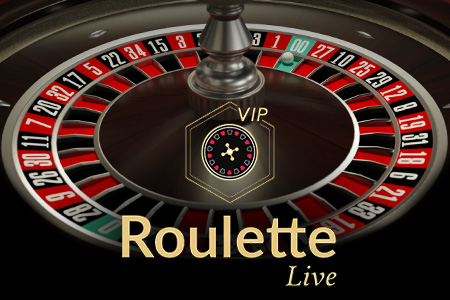
The roulette, which appeared in Paris casinos in 1790, reached its definitive form thanks to the Blanc brothers in the 19th century. The European version with a single zero, introduced in Monte Carlo, became the quality standard for all royal casinos. The ritual of the game, with the croupier announcing "Rien ne va plus", maintains its theatrical charm.
The baccarat, a favourite game during the reign of Louis XIV, definitively conquered the salons of Monte Carlo in the 19th century. Its elegance comes from the simplicity of the rules combined with the suspense of the contest between "Punto" and "Banco." In royal casinos, baccarat is often played in private rooms with very high limits.
The blackjack, an evolution of the French "Quinze" dating back to the 15th century, was perfected in French casinos in the 19th century. The intellectual challenge against the house, combined with the potential to apply mathematical strategies, makes it particularly appreciated by sophisticated clientele.
The poker, in its more elegant variants like Texas Hold'em and Omaha, has found the ideal environment for exclusive tournaments with high buy-ins in royal casinos. The psychological aspect of the game perfectly matches the refined atmosphere of these establishments.
Premium Slot Machines
Even the slot machines in royal casinos adhere to superior quality standards. In 1887, William Oliver developed the first games with precision mechanical wheels, while Herbert Mills of Chicago created slot machines with 20 reel symbols, producing 8,000 possible combinations.
Modern slots in royal casinos use cutting-edge technology: high-definition screens, cinematic sound effects, innovative game mechanics. Many machines are customised exclusively for specific casinos, with themes recalling the history and identity of the location.
Progressive jackpots reach astronomical figures, attracting players from all over the world. Slot areas are designed with the same aesthetic care as traditional gaming rooms, with ergonomic seating in fine leather and lighting systems that reduce visual fatigue.
Dress Code and Etiquette
The dress code in royal casinos is not just a rule but an essential element of the experience that helps maintain an atmosphere of exclusivity and sophistication. These rules vary depending on the time, type of room, and special events.
For men, the required attire generally includes a jacket and tie for the main rooms, with a tuxedo mandatory for evening gala events. Shoes must be elegant leather, preferably black or brown. Jeans, trainers, t-shirts, and sportswear are strictly prohibited.
For women, elegance is essential: evening dresses, refined suits, or elegant ensembles are always appropriate. Heels are preferred, as are quality accessories. Clothing should be understated but refined, avoiding excess in both exposure and overly vivid colours.
Behavioural etiquette is as important as attire. Royal casinos require respectful behaviour towards staff and other guests, moderate tones of voice, and absolute adherence to game rules. The use of mobile phones is often limited to common areas.
Special rules often apply in VIP rooms, where the dress code may be even more rigorous and the etiquette more formal. Some casinos organise themed evenings with specific dress codes, like "white parties" or Belle Époque-style events.
Entrance checks are stringent: security staff are trained to assess not only the clothing but also the overall attitude of guests. Those who do not meet the standards may be kindly invited to change attire or, in severe cases, denied access to the rooms.
How to Visit a Royal Casino
Access Requirements
Access to royal casinos requires careful preparation that goes beyond simply adhering to the dress code. Each establishment has specific criteria that reflect its exclusivity and tradition.
The documents required always include a valid identification document (passport for international visitors) and often proof of financial solvency. Some casinos require bank references or pre-registration online that includes financial background checks.
The minimum age is generally 18 years, but many royal casinos prefer a more mature clientele and may apply more restrictive access policies for young adults. In some cases, access for those under 25 requires accompaniment or additional documentation.
Territorial restrictions may apply: some historic European casinos still maintain exclusion lists for local residents, a tradition dating back to when gambling was seen as potentially harmful to the local population.
Security checks are discreet but thorough. Security personnel are trained to identify suspicious behaviour, gambling addiction problems, or attempts by undesirable individuals to gain access.
Bookings and Membership
Membership programmes represent the main avenue for regular access to the most exclusive royal casinos. These programmes are structured on multiple levels, from basic membership up to ultra-exclusive VIP programmes.
The application process for membership can take months. It includes thorough financial checks, references from existing members, and often personal interviews with the casino management. The most prestigious casinos maintain waiting lists that can last years.
Bookings for special events require advance planning. Royal casinos regularly host exclusive tournaments, gala evenings, and cultural events that require invitation or booking well in advance.
Concierge services assist members in planning visits: booking preferred tables, arranging transfers, luxury hotel accommodations, and even organising cultural itineraries at the destination.
The membership costs vary greatly, from annual fees of a few thousand euros for basic programmes to hundreds of thousands of euros for access to the most exclusive clubs. These costs are often justified by the premium services included and access to unrepeatable events.
Online Royal Casino: The Digital Evolution
The digital era has also revolutionised the world of royal casinos, creating online platforms that attempt to replicate the exclusivity and elegance of their physical counterparts. The first European online casino, Europa Casino, was introduced in the mid-1990s by Playtech, marking the beginning of a new era.
In 1996, the Kahnawake Gaming Commission was established as the official regulator in Quebec City, Canada, approving the basic rules of the interactive gaming industry in 1999. This regulatory framework allowed for the development of legitimate and secure online casinos.
Modern royal online casinos stand out for several premium features. The graphical interface uses advanced 3D technologies to recreate luxurious digital environments. Games are developed exclusively by high-quality software providers, often with customised versions unavailable elsewhere.
Digital VIP services include dedicated personal managers, high betting limits, priority withdrawals, and invitations to exclusive offline events. Some premium online casinos organise reward trips to the most prestigious physical royal casinos in the world.
Security and privacy are fundamental aspects: banking encryption, secure servers, and rigorous identity verification processes ensure a protected gaming environment. The best online royal casinos are licensed by recognised regulatory authorities such as the Malta Gaming Authority or UK Gambling Commission.
Integration with virtual reality represents the most advanced frontier: some casinos are experimenting with VR rooms where players can interact in photorealistic 3D environments, maintaining the social aspect of gaming even at a distance.
Payment methods include premium cryptocurrencies, private bank transfers, and business credit cards with very high limits. This allows the standards of exclusivity to be maintained even in the digital environment.